
The Meaning of Freedom
The DispossessedThe novel tests freedom against voluntary responsibility, social pressure, state coercion, and the individual’s right to act.
increasing Bearing strength in each event
 decreasing
Bearing strength in each eventdecreasingResponsibility or Orders
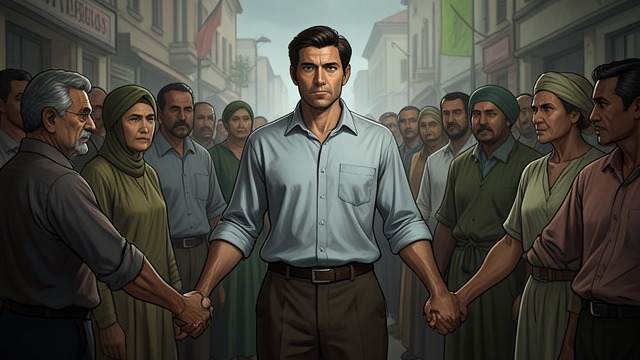
Freedom as Participation
Shevek’s defense
Shevek argues that Anarresti people are bound by responsibility, not by laws or commands. He sees social cooperation as the condition of freedom.
A distinction under strain
His argument is persuasive but incomplete. It assumes that shared customs remain genuinely voluntary, an assumption that later conflicts will expose.
Tirin’s Refusal
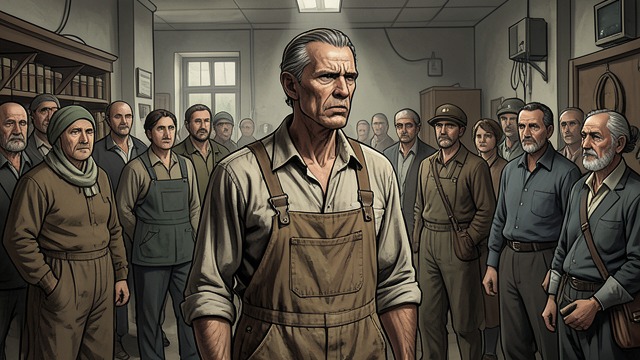
A Custom with Punitive Force
The cost of difference
Tirin is not imprisoned by law, but reprimand and repeated postings narrow his choices. The social system calls itself voluntary while making dissent emotionally costly.
Freedom becomes visible
Shevek later understands that a right that cannot be exercised without ostracism is incomplete. Tirin’s vulnerability reveals the coercive potential of community approval.
The Right to Leave

Initiative Against Custom
A disputed proposal
Shevek argues that an individual may leave Anarres if the action does not harm others. Opponents warn that his journey may endanger the entire society.
No easy resolution
The debate exposes competing responsibilities: protecting a fragile community and preserving the individual’s capacity to initiate change. Neither side can resolve the conflict by appealing to a formal law.
The State’s Permission
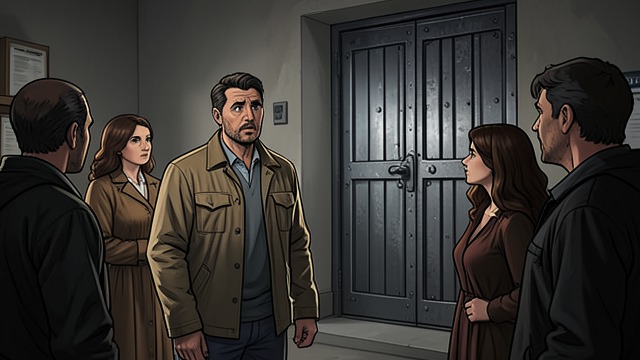
Freedom on Loan
Movement becomes conditional
A-Io restricts research and travel while continuing to describe Shevek as a privileged guest. His freedom depends on permissions that can be withdrawn.
The difference between systems
Urras makes coercion visible through law and police; Anarres exerts pressure through customs and collective opinion. Shevek learns that neither formal liberty nor informal belonging automatically protects initiative.
Initiative Without Safety
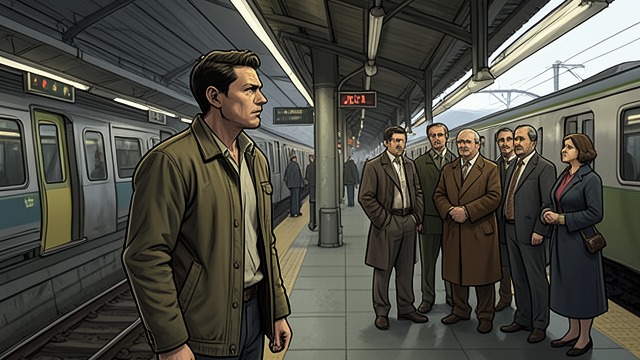
Freedom Accepted as Risk
A personal choice honored
Shevek treats Ketho’s request to land as an exercise of the same initiative he claimed for himself. He does not promise that the choice will be safe.
Responsibility follows the crossing
The new arrival will require response from the community and from Ketho himself. Freedom is not a guarantee of comfort; it is the capacity to begin an action and answer for its consequences.
During Shevek’s adolescent argument about Urras
After the public criticism of Tirin’s play
During the PDC debate about Shevek’s journey
After A-Io declares war on Thu
At the ending, during the decision to bring Ketho to Anarres
